

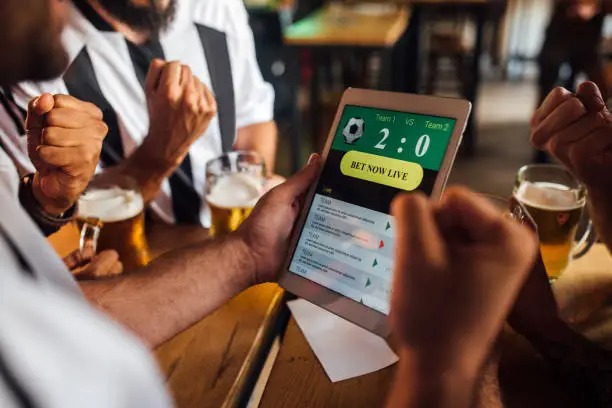
Digital tables feel different
Online poker today doesn’t really resemble the older image people usually imagine. It feels faster, noisier in a digital way, and constantly changing without warning. Tables open, fill, and disappear in cycles that don’t give much pause to think.
Players come in with different expectations too. Some are serious, tracking every move carefully, while others just click around casually without much planning. That mix creates unpredictable energy in every session.
The pacing is probably the biggest change. Traditional poker had pauses, body language, and physical tells. Now everything is compressed into timing patterns, bet sizes, and quick reactions on screens.
There’s also a strange sense of detachment. You don’t see faces clearly, so decisions feel lighter in a way. That changes how people behave, sometimes making them bolder than they would be in person.
Even small decisions feel faster now, almost automatic after a while. The more someone plays, the more they rely on habit instead of thinking deeply each time.
App driven gaming habits
Casino apps have become part of daily phone use for many people, not something separate anymore. They sit alongside social media, messaging apps, and everything else people open without thinking.
Usage patterns are not planned most of the time. People open them during random gaps in the day, like waiting for transport or sitting idle for a few minutes. It’s not structured anymore.
That randomness changes engagement. Instead of long focused sessions, users tend to play multiple short bursts across the day. It feels fragmented but consistent.
Design plays a big role here. Apps are built to reduce friction, making entry into a game almost instant. No long loading or complex steps, just quick access.
Over time, this creates habitual checking behavior. Even without intention, users sometimes open apps out of routine rather than interest, which slowly builds usage frequency.
Player mindset shifting fast
The mindset of online poker players has shifted noticeably over the years. Earlier, people often approached it with patience and long-term thinking. Now things feel more reactive.
Many players don’t stick to one strategy anymore. They adjust constantly, sometimes even within the same session. That flexibility can be helpful but also inconsistent.
There’s also a growing group of casual participants who rely more on intuition than structured learning. They still engage actively but don’t study patterns deeply.
This creates tables with mixed skill levels, which makes outcomes harder to predict. A strong strategy doesn’t always guarantee stability anymore.
Emotional decision-making is also more visible. Quick reactions to wins or losses can influence the next few moves more than planned logic.
Overall behavior feels less rigid and more fluid, shaped heavily by fast access and continuous play availability.
Risk and emotional balance
Risk management in online gaming is something many players struggle with in different ways. Some set strict boundaries, while others adjust based on how they feel in the moment.
Digital platforms often provide tools for limits, reminders, and control settings. But not everyone actually uses them consistently, especially during active sessions.
A common pattern is gradual escalation. Small wins can encourage slightly higher bets without immediate awareness of risk changes.
Losses tend to have a stronger emotional effect. Some players try to recover quickly, which often leads to more impulsive decisions than planned ones.
Experienced users usually develop personal rules over time. These rules act like anchors during emotional fluctuations and help maintain stability.
Still, even experienced players are not completely immune to emotional swings, especially in fast-paced environments where decisions happen quickly.
Casino rewards influence behavior
Bonus systems are a major part of modern online casino platforms. They are designed to attract attention and encourage repeated engagement through incentives.
These rewards come in many forms like deposit bonuses, cashback systems, or limited-time offers. Each one creates a sense of added value for users.
Players often compare platforms based on these offers rather than the actual gameplay experience. That shifts decision-making priorities in subtle ways.
Some users even move between platforms frequently just to collect different bonuses. This creates a rotating usage pattern across multiple services.
While bonuses can make gameplay more engaging, they can also extend playtime beyond original intention. That effect is not always immediately noticeable.
The psychology behind it is simple. Extra value feels rewarding even when the core experience remains the same.
Mobile access everywhere
Mobile technology is the biggest reason online poker and casino games have grown so widely. Everything is now accessible within seconds from almost any location.
This convenience removes traditional barriers like time planning or physical presence. Users no longer need dedicated gaming sessions.
Better internet connectivity has also improved the experience. Faster speeds reduce delays and make gameplay smoother and more responsive.
Mobile interfaces are designed for simplicity. Buttons are larger, navigation is cleaner, and actions are reduced to minimal steps.
However, this simplicity also reduces friction that might otherwise slow down usage. That can increase frequency of engagement without users fully realizing it.
Gaming becomes part of everyday digital behavior rather than a separate activity, blending into normal phone usage patterns.
Strategy under fast pressure
Strategy in online poker still matters, but it has adapted to faster environments. Decisions now need to be made within shorter time windows.
Some players use simple strategies repeatedly rather than complex planning. This helps them maintain consistency even under pressure.
Others adjust dynamically based on table behavior. That requires quick observation and rapid decision-making skills.
Multitabling has also become more common. Players manage several games at once, which increases volume but reduces focus per table.
Timing has become an important strategic element. Knowing when to enter or leave a game can be as important as individual moves inside it.
The overall environment rewards both speed and awareness, but balancing the two is not easy.
Behavioral loops online
Online gaming environments often create behavioral loops without players fully noticing. Repetition builds familiarity, and familiarity increases engagement.
Quick wins encourage continued play, while losses often trigger attempts to recover. This cycle repeats frequently in many user experiences.
The availability of games at all times reinforces this loop. There is no natural stopping point unless the user decides to step away.
Over time, this creates a pattern where engagement becomes less intentional and more habitual.
Even short sessions contribute to long-term behavior patterns when repeated often enough across days or weeks.
Understanding these loops can help users recognize their own habits more clearly, even if they continue playing regularly.
Payment flow improvements
Payment systems in online gaming platforms have become much more efficient. Deposits and withdrawals are now faster and more reliable than earlier systems.
Digital wallets and instant transfer methods have made transactions nearly seamless. This supports continuous play without long interruptions.
Security measures have also improved significantly. Verification processes and encryption help build trust between users and platforms.
Faster transactions can also influence spending behavior slightly, since money movement feels less delayed or distant.
Overall, the financial side of gaming has become smoother, which contributes to the broader accessibility of these platforms.
Final perspective today
Online poker and casino gaming continue to evolve in ways shaped by speed, accessibility, and constant digital availability. The experience is no longer limited to specific environments or times, and that shift has changed how people engage with it.
Behavior patterns are now more flexible, sometimes unpredictable, and heavily influenced by mobile usage habits. Players move quickly between sessions, platforms, and strategies depending on context.
As systems keep improving, the line between casual interaction and regular engagement continues to blur. That makes awareness and balance increasingly important for users navigating this space.
For readers exploring trends and platforms in this area, ridepokers.com/ represents part of the growing digital ecosystem shaping modern online gaming behavior.
Read also:-