

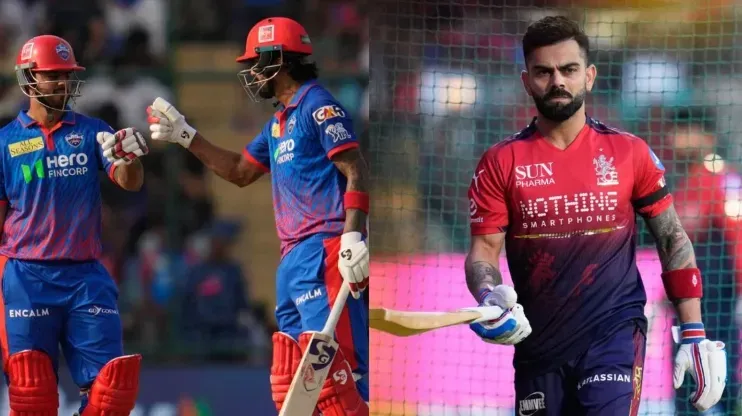
Sports franchises depend on much more than talented athletes appearing in a competition each week. afranchiseinfo.com can help readers explore sports franchises, team operations, player development, management practices, supporter relationships, and practical ideas connected with running modern sports organizations. Behind every match there are people handling recruitment, training, travel, finance, facilities, communication, technology, and countless smaller responsibilities. When one area becomes disorganized, another department can quickly feel the effects. A recruitment decision may change payroll, while a facility problem can affect training quality, which may eventually influence competitive performance. This connection makes franchise management complicated even when the public mainly sees the final result. Strong organizations usually spend time creating practical systems before those systems become urgently necessary. They also understand that winning is only one part of maintaining a healthy franchise. Supporters expect useful information, comfortable venues, fair communication, and meaningful reasons to remain connected even during difficult seasons. Players require suitable preparation, clear expectations, recovery support, and opportunities to keep developing. Staff members need understandable responsibilities and enough authority to complete their work without asking for approval after every small issue. Financial decisions also need a longer view because large commitments can influence several future seasons. A franchise that spends heavily during one period may have fewer choices later when new needs appear. Growth therefore requires patience, planning, communication, and repeated evaluation. The strongest organizations usually improve through ordinary decisions that are handled carefully every day rather than dramatic changes made only when pressure becomes extreme.
Clarify The Franchise Direction
A franchise becomes easier to manage when everyone understands the broader direction of the organization. That direction can include competitive ambitions, player development priorities, supporter experience, community involvement, financial goals, and standards for professional behavior. The purpose is not creating a complicated statement that nobody remembers. Clear practical principles can guide decisions across several departments without creating unnecessary paperwork. Coaches can understand the type of team they are expected to build, while commercial staff can evaluate whether a partnership fits the organization’s identity. Recruitment managers can also consider whether a potential signing supports the wider strategy rather than simply adding another recognizable name. Supporters often notice consistency because team identity appears through communication, events, digital content, venue presentation, and community work. Constant changes can make the organization feel uncertain, especially when leadership changes direction after every disappointing result. At the same time, a franchise should not become so rigid that it cannot respond to new circumstances. Sports audiences evolve, technology changes, and competitive conditions rarely remain identical for long. Leaders need to protect the essential character of the organization while adjusting practical methods when evidence supports those changes. Clear direction can also reduce internal disagreement because employees have a reference point when different priorities compete for limited resources. A strong direction does not guarantee success, but it gives people a common framework for making better decisions when conditions become complicated.
Develop Young Talent Properly
Young athletes can become an important source of future competitive strength when franchises provide structured development instead of expecting natural talent to solve everything. Players arrive with different technical abilities, physical profiles, confidence levels, tactical knowledge, and previous experience. Treating everyone exactly the same may therefore produce uneven results. Coaches can create individual objectives while maintaining common standards around discipline, effort, communication, and professional behavior. Regular feedback should explain what the athlete needs to improve rather than simply saying that performance must become better. Video review can help players identify positioning mistakes, decision-making problems, timing issues, and other details that are easier to notice after the event has finished. Training should also include realistic competitive situations because players need to learn how skills work when pressure changes quickly. Gradual exposure to stronger competition can build confidence while giving coaches more useful evidence about development. Experienced athletes can contribute through informal mentoring because younger players often learn practical habits by observing teammates. Preparation, communication, travel routines, recovery, and professional expectations are not always fully explained in formal sessions. Development staff should also communicate with senior coaches so players receive consistent messages about their progress and priorities. Honest evaluation remains necessary because not every promising athlete will eventually become a top-level contributor. The value of the pathway lies in giving players a meaningful opportunity to improve while helping the organization understand where future squad depth may come from. Patient development can reduce recruitment pressure while creating stronger connections between the franchise’s present and future.
Recruit For Specific Roles
Recruitment becomes clearer when franchises define the actual need before beginning to search for possible signings. One team may need stronger defensive depth, another may need scoring support, while another may need experienced leadership around younger players. The correct solution depends on the current squad and the tactical approach being used. Statistical information can help narrow potential candidates, but numbers alone rarely describe the complete athlete. Competition level, playing role, workload, tactical environment, communication, availability, and adaptability can change how useful a player becomes after joining a new organization. Direct observation can provide additional information about movement, decision-making, positioning, work habits, and interaction with teammates. Recruitment teams should also think about squad balance because adding several athletes with nearly identical strengths can create weakness elsewhere. Age balance may matter as well because experienced players can provide immediate stability while younger athletes offer longer development potential. Financial commitments deserve close review before contracts are finalized because one expensive agreement can reduce flexibility across future seasons. Franchises should maintain alternative candidates whenever possible so negotiations do not become dependent on one preferred target. Medical evaluations and appropriate background checks can also reduce avoidable surprises later. Cultural fit matters because athletes operate within shared training standards, communication expectations, and team routines. The strongest recruitment decisions usually come from combining evidence with a clearly defined role. A famous player can generate attention, yet another athlete may create greater value by solving an actual weakness inside the squad.
Manage Franchise Money Carefully
Financial control gives a franchise room to respond when competitive results, attendance, sponsorships, or operating costs change unexpectedly. Revenue can come from ticket sales, memberships, sponsorship agreements, merchandise, media arrangements, events, and other commercial sources. Expenses are equally diverse, covering player and staff salaries, facilities, travel, equipment, technology, event operations, youth development, and administrative work. Managers need an accurate view of these areas because strong income in one department does not automatically mean the whole organization is financially comfortable. Budgets should be built around realistic expectations rather than assuming every commercial target will be reached. Attendance can vary, sponsorship results can change, and unexpected facility or operational expenses can appear during a season. Keeping reasonable reserves can provide useful flexibility when circumstances move against earlier assumptions. Major investments should also have clear purposes because expensive projects do not automatically create better competitive or commercial outcomes. A new system may save time, while another costly upgrade may create little practical improvement. Regular financial reviews help identify these differences before problems become larger. Leaders should also separate long-term investments from spending created mainly by public pressure. A disappointing season can create temptation to make dramatic financial commitments, yet those commitments may create future restrictions if results do not improve quickly. Good financial management does not mean refusing ambitious opportunities. It means understanding the full commitment and deciding whether the organization can support it while still protecting important future needs.
Improve The Fan Experience
Supporters experience a franchise through many moments that happen before, during, and after competitions. Ticket information, venue access, digital communication, merchandise, customer service, community activities, and matchday operations can all influence how supporters feel about the organization. A strong team can still frustrate its audience when basic service becomes confusing or unreliable. Franchises should therefore examine the complete supporter journey rather than focusing only on what happens during the competition. Ticket details should remain easy to understand, while schedule changes should be communicated through reliable channels. Staff need enough information to answer common questions without repeatedly sending visitors to different departments. Digital platforms can maintain engagement throughout the week, but supporters generally respond better when content offers useful information instead of endless promotional messages. Team updates, interviews, community programs, historical features, and practical event information can create genuine reasons to stay connected. Listening systems can also reveal issues that internal teams may overlook. Repeated complaints about ticketing, communication, access, or service can point toward wider process problems. Different supporter groups may value different experiences, so families, longtime followers, and younger audiences can receive appropriate content without losing the broader franchise identity. Community involvement can strengthen this relationship further because supporters often want to see the organization contribute beyond competition. Trust grows through repeated experiences where the franchise communicates clearly and behaves consistently. Strong supporter relationships can remain valuable even when competitive results become unpredictable.
Improve Matchday Operations
Matchday operations require detailed coordination because large numbers of people may enter and leave the same venue within a short period. Entry, security, parking, seating, food services, merchandise, cleaning, accessibility, announcements, and emergency procedures all need reliable organization. Visitors can become frustrated quickly when even one part of this process repeatedly causes delays. Franchises should review the event from the visitor’s perspective rather than assuming that internal staff already understand every difficulty. Signage should make important areas easy to locate, especially for people attending the venue for the first time. Digital ticketing can reduce certain queues, although trained staff should remain available when technical problems appear. Security procedures need to remain effective while also being communicated clearly enough that supporters understand what is happening. Food and merchandise areas should be reviewed for unnecessary bottlenecks because long waits can affect enjoyment during important moments. Accessibility should receive ongoing attention because venues need to support visitors with different mobility, hearing, visual, and communication requirements. Staff should understand what to do when weather, scheduling, equipment, or technical issues disrupt normal plans. After the event, management can review complaints, delays, staffing observations, and service problems to identify practical improvements. Not every improvement requires construction or expensive equipment. Better signage, clearer instructions, stronger queue organization, and targeted staffing can sometimes produce larger benefits than costly redesigns. Reliable operations allow supporters to focus on the competition rather than the problems surrounding it.
Use Performance Data Wisely
Franchises now collect information across competitive performance, player development, supporter behavior, finances, event operations, and digital activity. The challenge is deciding which information deserves attention instead of collecting numbers simply because technology makes collection easy. Coaches may review performance trends, while recruitment teams compare candidates using multiple indicators. Commercial departments can examine attendance patterns, merchandise activity, and digital engagement. Operations teams can analyze queue problems, staffing levels, and event delays. Each measurement becomes more useful when it answers a specific question. Context remains essential because numbers can change for reasons that are not immediately visible. A player’s output may depend on tactical responsibilities, minutes played, competition level, teammates, or temporary physical limitations. Attendance can also shift because of scheduling, weather, competing local events, or broader economic conditions. Managers should therefore combine statistical information with direct observation and professional knowledge. Data quality needs attention as well because incomplete or inconsistent records can make accurate-looking analysis misleading. Privacy also matters when information involves identifiable players, employees, or supporters. Access to sensitive records should be controlled according to legitimate responsibilities and sensible security practices. Franchises do not need thousands of measurements to become data-driven. A smaller set of reliable indicators can often create clearer conversations and faster decisions. When data and professional judgment disagree, leaders should investigate the reason instead of automatically trusting one side. That questioning process can reveal useful information that neither source showed independently.
Build A Healthy Staff Culture
Sports organizations rely on many employees whose work remains mostly invisible to the public but directly influences performance and service quality. Coaches, analysts, medical teams, administrators, marketers, equipment workers, event staff, technology specialists, and community teams all contribute to the franchise. Strong culture can help these departments cooperate without creating unnecessary friction. Employees should understand their responsibilities and how those responsibilities connect with other teams. Shared documents, schedules, communication channels, and reporting systems can reduce confusion when several departments need the same information. Managers should also create reasonable opportunities for staff members to raise concerns before those concerns become expensive operational problems. Employees are more likely to speak honestly when leadership responds with fairness instead of immediate blame. Training should continue when systems, roles, or technologies change because old habits may no longer fit current needs. Recognition can support morale when managers notice specific contributions rather than offering vague praise. Leadership behavior becomes especially important during stressful periods because employees observe how senior people respond to mistakes, public criticism, disappointing results, and financial pressure. Calm explanations can create confidence, while unpredictable reactions may encourage people to remain silent. Healthy disagreement should remain possible because useful questions can prevent weak assumptions from becoming expensive decisions. The goal is not creating constant agreement. It is creating an environment where people can challenge an approach while remaining focused on the organization’s objectives. A healthy culture eventually becomes visible through more dependable service, stronger collaboration, and fewer avoidable mistakes.
Prepare For Difficult Periods
No sports franchise avoids difficult periods forever because injuries, poor results, staffing changes, financial pressure, and operational failures can appear with little warning. Preparation gives leaders more options when those pressures arrive. Organizations can identify common risks and create response plans for situations that are reasonably predictable. Backup procedures can protect important records when technology stops working, while alternative staffing plans can reduce disruption when key people become unavailable. Financial reserves can provide breathing room when revenue weakens or costs increase unexpectedly. Communication procedures should also be prepared because supporters and employees need accurate information when schedules, services, or competitive plans change. Leaders should understand which problems require immediate intervention and which issues deserve a more measured response. Emotional reactions can lead to costly decisions that do not solve the underlying weakness. Historical records, performance information, and existing strategic goals can provide useful context before major changes are made. Athletes also benefit from reasonable stability because constant changes can make preparation harder during already difficult periods. Honest communication with supporters can protect trust even when the organization cannot provide an ideal outcome. Difficult seasons can reveal weaknesses that successful periods keep hidden. A franchise may discover that it relies too heavily on one revenue source, one specialist, one technology system, or one recruitment approach. Those lessons can strengthen future planning. Resilience is not about avoiding every problem. It is about creating enough flexibility and preparation to remain functional when problems appear.
Review Decisions Afterward
A franchise can learn more effectively when important decisions are reviewed after enough time has passed for useful evidence to appear. Recruitment choices, facility investments, coaching changes, communication campaigns, technology projects, and financial commitments can all be evaluated through this process. The review should return to the original objective and compare it with the real outcome. Leaders can then examine which assumptions were correct, which were wrong, and which external conditions affected the final result. Positive outcomes deserve attention because understanding why something worked can help preserve useful practices. Poor results should also be studied without automatically turning the discussion into a search for one person to blame. Several smaller factors may have combined to create an unexpected result. Written records can preserve lessons for future staff members who were not involved in the original decision. This becomes especially useful when leadership or departmental responsibilities change. Reviews should create practical actions when evidence shows that something needs improvement. Those actions might involve recruitment criteria, staff training, communication systems, financial controls, or event procedures. Organizations should avoid changing too many things simultaneously because multiple adjustments make it difficult to know which change created improvement. Smaller tests can provide clearer evidence before broader implementation. Regular review also reveals when a system that once worked well has become inefficient because the franchise has grown. Learning becomes more valuable when it is treated as part of ordinary management rather than a response reserved only for failure.
Expand At A Controlled Pace
Expansion can increase audiences, revenue opportunities, community reach, and competitive visibility, but rapid growth can also expose weaknesses that a smaller organization could manage quietly. A larger operation requires stronger staffing, financial controls, customer support, facilities, communication, and technology systems. New markets may also have different expectations that cannot be understood through assumptions alone. Research should therefore happen before major investments are approved. Local relationships can provide useful information about audiences, venues, partnerships, and community expectations. Expansion should also consider whether current managers have enough capacity to handle additional responsibilities. Adding work without developing leadership depth can create bottlenecks at the top. Financial plans should include ongoing operating costs instead of focusing only on expected new revenue. Technology systems may need upgrades when transaction volumes and communication demands rise significantly. The franchise should also protect the core identity that existing supporters recognize because growth should not feel like a complete change of purpose. Smaller regional programs, pilot activities, or staged facility improvements can provide useful evidence before the organization makes larger commitments. Leaders can then improve later phases using what they learned earlier. Growth should be measured through more than audience size because service quality, staff capability, financial stability, and operational reliability matter as well. A franchise can become stronger without immediately becoming much larger. Controlled growth allows the organization to develop capacity alongside ambition. Patience may feel slower, but it often creates more room for sustainable progress than rushing into commitments that the current structure cannot support.
Keep Leadership Grounded
Effective leadership becomes easier when executives understand what actually happens throughout the organization rather than relying entirely on reports and formal meetings. Spending time listening to coaches, players, event staff, customer service teams, analysts, and supporters can reveal issues that senior summaries may not show. Leaders should understand how different departments experience the same business from different perspectives. A supporter may see a ticketing problem, while the operations team sees a staffing shortage behind that problem. Both views can be useful when decisions are being considered. Leaders also need to explain important changes because people are more likely to support difficult decisions when the reasoning is clear. Accountability matters when a strategy produces poor results, yet strong leaders should also give capable employees enough authority to handle ordinary decisions independently. Excessive approval requirements can slow operations and discourage initiative. Too little direction can create uncertainty about priorities and standards. The useful balance involves clear objectives combined with reasonable freedom inside defined boundaries. Leaders should also remain calm during criticism because sporting organizations naturally attract strong opinions when results decline. Public pressure may be unavoidable, but it does not need to control every internal decision. Practical leadership asks useful questions, listens to evidence, accepts correction, and keeps attention focused on meaningful outcomes. Sports franchises become more resilient when leadership remains connected with everyday realities rather than concentrating only on public appearances or short-term headlines.
Conclusion
Modern sports franchise success develops through a combination of clear direction, patient athlete development, thoughtful recruitment, careful financial management, supporter engagement, reliable matchday operations, useful analytics, healthy staff culture, risk preparation, regular review, controlled expansion, and grounded leadership. None of these areas can operate completely independently because decisions made in one part of the organization often create consequences elsewhere. Recruitment influences finances, finances influence future options, staff culture affects operations, and supporter experience contributes to the long-term reputation of the franchise.
The strongest organizations usually avoid depending on one dramatic decision to solve every problem. They improve through smaller changes that are tested, reviewed, adjusted, and repeated when they prove useful. Difficult periods become easier to manage when backup procedures, financial reserves, communication plans, and capable employees already exist. Growth also becomes safer when franchises increase their responsibilities at a pace that allows systems and people to develop together. Data can support this process, but experienced judgment remains necessary because numbers do not always explain the full situation.
Leadership ultimately connects these areas by setting priorities and creating conditions where other people can perform effectively. A strong sports franchise is not simply a team that wins competitions. It is an organization capable of developing athletes, serving supporters, managing resources, learning from mistakes, and adapting without losing its wider purpose. For readers interested in sports franchise management, team development, player recruitment, supporter engagement, sports business operations, venue planning, analytics, financial strategy, workplace culture, leadership, and sustainable growth, continue exploring dependable sports management resources, compare different franchise approaches carefully, and keep developing practical knowledge that supports stronger teams and better-run sports organizations over time.
Read also :-