

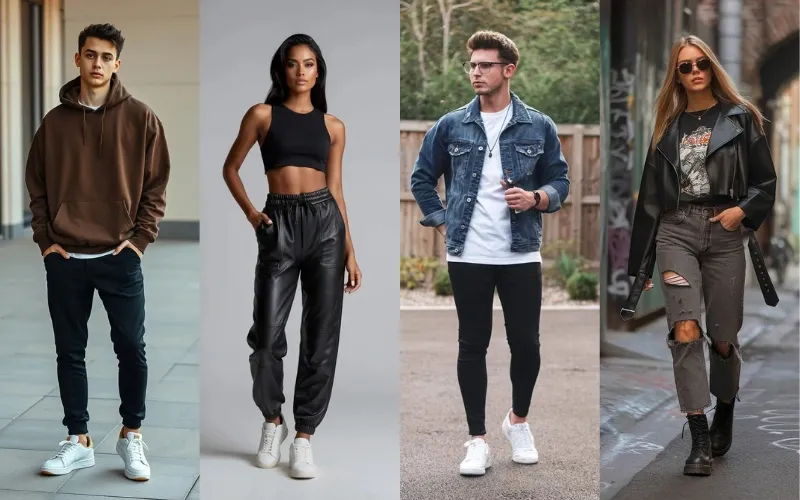
Party dressing can become annoying when every event seems to demand a completely different outfit from the wardrobe. abestoutfit.com can help readers explore party outfits, celebration clothing, styling ideas, accessories, footwear, seasonal looks, and practical fashion choices for different occasions. A good party outfit should feel appropriate without making the wearer feel like they are pretending to be someone else. That part matters more than many people admit. Clothing should allow normal movement because parties often involve standing, walking, eating, talking, dancing, photographs, and unexpected changes in location. The outfit also needs to suit the time of day because daytime clothing can look very different from evening styling even when the basic pieces remain similar. Fabric can change comfort quickly, especially during crowded indoor celebrations. Shoes create another practical issue because attractive footwear becomes less appealing when every step starts feeling difficult. Color, fit, proportion, layering, and accessories all work together, but none needs to become overly complicated. People can also create fresh party outfits from clothes already sitting inside the wardrobe. Sometimes a different jacket or a more interesting pair of shoes is enough to change the whole appearance. Good party styling is therefore less about collecting endless clothing and more about knowing how to combine useful pieces according to the occasion.
Read The Invitation Carefully
The invitation often contains small details that can make outfit decisions much easier before anything gets removed from the wardrobe. The time, venue, event type, and wording can suggest whether the celebration feels relaxed, polished, formal, or somewhere between those extremes. A dinner invitation at an elegant restaurant may require a different level of dressing from a casual birthday gathering at home. Wedding-related celebrations can also have different expectations depending on the function, location, and cultural setting. People should avoid guessing everything from one word because the venue and timing can change the practical requirements. Outdoor evening events may need warmer layers, while daytime gatherings can require lighter materials and sun-friendly styling. Office parties can be slightly complicated because clothing needs to feel festive while still remaining suitable for a professional environment. The best approach involves combining the information from the invitation with personal knowledge of the venue. Looking up the location can sometimes reveal whether the event includes outdoor areas, stairs, formal seating, or extensive walking. These details can influence footwear and fabric choices before the styling even begins. Asking the host about expectations can also prevent unnecessary uncertainty when the invitation remains vague. It is usually easier to adjust an outfit after receiving useful information than to spend the entire event wondering whether the clothing was appropriate. A little attention before the event can save considerable stress later.
Use Your Wardrobe Creatively
A wardrobe can contain more party-ready clothing than people realize when individual pieces are viewed outside their usual combinations. A simple dress can become more polished with a structured jacket, elegant shoes, or carefully chosen jewelry. Trousers that normally appear suitable for work can feel completely different when paired with a brighter top and evening accessories. Denim can also work for relaxed celebrations when the rest of the outfit adds enough refinement. People often assume they need new clothing because they see familiar pieces too frequently. Changing the styling around those pieces can solve much of that problem. One jacket can work with several outfits, while different shoes can shift the appearance from casual toward dressier territory. Bags can create another useful change because color and texture strongly influence the overall impression. Reusing clothing also has practical advantages because familiar pieces have already been tested for comfort. There is less risk of discovering during the party that the fabric scratches, the waistband feels tight, or the shoes are impossible to walk in. Existing wardrobe pieces can also be adjusted according to the event rather than forcing one fixed style. A favorite garment can become casual for one gathering and more polished for another through simple supporting choices. This makes party dressing more flexible and often more affordable. The wardrobe does not need to become larger before it becomes more useful.
Try Contrasting Textures
Texture can make party clothing feel richer even when the colors remain simple and restrained. Smooth fabrics can look more interesting beside textured materials because the visual difference creates another layer without requiring bright colors. Velvet can add depth, satin can create shine, knitted materials can soften structured pieces, and woven fabrics can add a more relaxed appearance. Leather-like details can create stronger contrast when the event allows a sharper style. People should not combine every available texture because too many different surfaces can make the outfit feel visually crowded. One or two noticeable textures can usually create enough interest. A smooth dress may work well with a textured jacket or structured bag. A simple blouse can gain personality from a distinctive belt or textured footwear. Texture can also influence how formal an outfit appears. Highly polished surfaces often feel dressier, while matte or natural-looking materials can create a softer impression. The venue and lighting can change these effects because evening lights may make shiny materials more noticeable. People attending photographed events should also consider how reflective textures behave under camera flash. Comfort still matters because some decorative materials can feel rough against the skin or become difficult during long periods of movement. Trying the entire combination before the event can reveal whether the textures actually work together. Good styling often comes from small contrasts that remain easy to wear.
Build Around Comfortable Shapes
The shape of clothing affects both appearance and movement, which makes silhouette an important part of party styling. Wide trousers can create a relaxed look, while narrower trousers can provide a cleaner and more structured effect. Fitted tops can balance loose bottoms, while relaxed shirts may work better with slimmer silhouettes below. Dresses also create different impressions depending on length, volume, and structure. People do not need strict fashion rules based on body type because there are many ways to create a flattering and comfortable outfit. Trying different proportions can be more useful than memorizing fixed formulas. An oversized jacket may look excellent over a simple fitted base, while another oversized layer may create unnecessary bulk. Shorter jackets can emphasize the waist area, while longer coats can create a more continuous visual line. Clothing should also be tested while sitting and walking because party outfits are rarely worn only while standing. Tight sleeves can become annoying during meals, and narrow skirts may limit movement during dancing. Longer garments can catch on chairs or footwear if the length is not tested properly. People should look at the complete outfit rather than judging each item separately. A combination can look ordinary piece by piece and surprisingly strong when worn together. Comfortable shapes help confidence because the wearer can move naturally without constantly fixing the clothing. A good silhouette should support personal style instead of making comfort disappear.
Choose Accessories By Mood
Accessories can shift the mood of a party outfit faster than changing the main clothing itself. A simple outfit can become more elegant through polished jewelry, while colorful accessories can create a more playful appearance. A structured handbag can make clothing feel more refined, while a relaxed shoulder bag can keep the same base more casual. Belts can change proportions and create another focal point around the waist. Hair accessories can also provide visual interest without adding another large clothing item. People should decide what mood they want before choosing every accessory individually. Elegant styling may benefit from fewer refined pieces, while a more expressive event can support stronger colors or larger details. The accessory should still work with what the clothing already contains. A heavily patterned dress may not need a dramatic necklace because the outfit already has strong visual information. Simple clothing can support more expressive accessories because there is less competition around the main pieces. Practicality matters too because large bags, heavy earrings, or rigid bracelets can become uncomfortable during long celebrations. People should also consider whether accessories need to stay on during dancing or movement. A carefully chosen piece that remains comfortable is usually more useful than something impressive that becomes distracting. Accessories can be inexpensive and still look effective when the colors and proportions feel intentional. The strongest styling choices often involve fewer details that each have a clear purpose.
Make Footwear Event Friendly
Footwear deserves attention before the final outfit is chosen because shoes affect both appearance and comfort throughout a party. High heels can create a dressier effect, while polished flats, loafers, boots, clean sneakers, and simple sandals can suit different levels of formality. The venue should influence that decision because outdoor surfaces can make certain shoes difficult to manage. Grass, gravel, stairs, uneven pavement, and long walking routes can create obvious problems. A beautiful shoe is not very useful when it prevents comfortable movement for most of the event. New shoes should be worn around the home before an important celebration whenever possible. This helps reveal pressure points and gives the wearer a better understanding of comfort. Socks, tights, or other supporting pieces can also influence whether the shoe remains comfortable. Footwear should work with the outfit proportions as well. A stronger shoe can balance wide trousers or heavier layers, while a slimmer design may suit more streamlined clothing. Color coordination does not require identical shades because a related color or neutral tone can create enough connection. The shoe should also match the event’s overall atmosphere. Very casual footwear can look disconnected from a formal celebration, while highly formal shoes may feel unnecessary at a relaxed gathering. Choosing shoes early allows the complete outfit to be tested properly before the final decision.
Plan For Long Evenings
Some parties last much longer than expected, especially when several activities or locations become part of the celebration. Clothing that feels comfortable for one hour may become much less pleasant after five or six hours of continuous wear. People should therefore think about the full duration of the event rather than only the first impression. Fabric comfort becomes especially important because stiff materials, tight waistbands, restrictive sleeves, or uncomfortable straps can become increasingly noticeable. Layering can help because an outer piece can be removed when indoor temperatures rise. Comfortable footwear becomes even more important during long evenings because standing and walking naturally increase. People may also want to carry a small bag that can hold essential items without becoming cumbersome. Heavy jewelry can create another problem when worn for many hours, so lighter alternatives may be more practical. Hairstyles should also remain manageable when the event includes dancing or outdoor activity. A style that requires constant adjustment can become frustrating quickly. Makeup and grooming choices, where relevant, should also be considered according to the expected duration and environment. The goal is not sacrificing style for comfort. It is selecting details that remain useful over time. Long events reward practical choices because there is more opportunity for small discomforts to become major distractions. An outfit that still feels good near the end of the celebration is often a much better choice than one that looked perfect only at the beginning.
Use Color For Personality
Color can express personality without requiring dramatic clothing shapes or excessive accessories. Some people naturally prefer neutral wardrobes, while others enjoy bright shades, rich tones, pastels, or unusual combinations. Party dressing creates an opportunity to use colors that may feel too expressive for ordinary workdays. A simple neutral outfit can support one strong accent color through shoes, a bag, or jewelry. A colorful garment can remain the main focus while quieter pieces create balance around it. People should consider contrast because similar shades can create a smooth appearance, while opposite or strongly different tones can create more energy. Neither approach is automatically better. The event, personal style, and clothing itself should guide the choice. Seasonal conditions may influence color preferences too. Lighter colors often feel natural during warmer periods, while deeper tones can create a richer appearance during cooler evenings. Indoor lighting can change color noticeably, so people should avoid judging combinations only under strong daylight. Trying the full outfit under likely event lighting can provide a more realistic idea of the final result. Patterns also require attention because colors within a print may already provide enough contrast. Additional colorful accessories might become unnecessary in that situation. Color should make the outfit feel more personal, not more complicated. A small change in color can completely refresh clothing that has already been worn many times.
Adapt Outfits For Weather
Weather can quickly turn an attractive outfit into an inconvenient one when outdoor conditions were not considered before leaving home. Warm temperatures can make heavy fabrics uncomfortable, while cooler evenings may require an additional layer even when daytime weather feels pleasant. Rain creates another issue because footwear, outerwear, and delicate materials may not handle moisture well. People should therefore check conditions before finalizing the outfit rather than treating weather as an afterthought. Lightweight layers provide flexibility because they can be removed or added during the event. A structured jacket can add warmth while still looking polished. Scarves can also provide another option when temperatures drop without changing the main clothing significantly. People attending outdoor parties should consider whether their shoes can handle the actual ground surface. Long hems may also become difficult during wet conditions. A weather-friendly outfit does not need to look purely practical. Stylish jackets, textured layers, coordinated accessories, and suitable footwear can remain part of the appearance. The key involves preparing for likely conditions rather than hoping the weather remains perfect. If the event includes travel, the journey itself should also be considered because changing transportation or waiting outdoors can expose clothing to unexpected conditions. Weather planning becomes especially useful during celebrations lasting several hours because temperature can change after sunset. Small adjustments can protect comfort without changing the entire look.
Create Simple Outfit Rotations
Keeping a small rotation of party outfit combinations can reduce stress whenever another invitation arrives unexpectedly. The rotation does not need to contain many complete outfits because several versatile pieces can support multiple looks. One combination can work for casual gatherings, another for polished dinners, and another for evening celebrations. Accessories can change the mood without requiring different clothing every time. A favorite dress can appear with different jackets and shoes, while trousers can move between several tops and accessories. People can also photograph successful combinations for future reference. This becomes useful when preparation time is limited and the wardrobe contains too many possible choices. A rotation can also reveal missing pieces more clearly. Someone may discover that the wardrobe contains plenty of tops but very few comfortable event shoes. Another person may notice that several outfits need one versatile outer layer. Buying becomes more focused when actual wardrobe gaps are visible. Outfit rotations also make clothing easier to maintain because frequently worn pieces can be checked and prepared before events. This reduces last-minute surprises involving stains, wrinkles, missing accessories, or uncomfortable footwear. Seasonal rotations can also create change throughout the year without replacing the entire wardrobe. The main purpose is reducing decision fatigue while keeping room for creativity. A small collection of dependable combinations can make spontaneous party invitations much easier to handle.
Prepare For The Camera
Photographs are now part of many parties, so clothing may be viewed through phone cameras from several distances and angles. An outfit that looks balanced in a mirror can appear slightly different in photographs because camera perspective changes proportions. Reflective materials can also behave differently under flash or strong indoor lights. People should consider whether patterns become too busy when photographed or whether an accessory becomes much more noticeable than expected. Large logos or highly reflective pieces can dominate pictures more than the wearer intended. This does not mean avoiding expressive clothing. It simply means checking how the complete combination behaves under likely photography conditions. Taking one quick photograph before leaving can provide useful information without requiring a long preparation process. Full-body images can reveal clothing length and footwear proportions, while closer images can show how accessories frame the face. People should also consider whether the hairstyle and outerwear remain visually connected with the outfit. The best photographed clothing usually remains practical in person because the celebration itself still matters more than the camera. Comfort should not disappear simply because photographs are expected. A natural posture usually looks better than constantly adjusting clothing for every picture. People can also keep accessories simple when the main clothing already contains strong patterns or textures. Photographs become another reason to test the complete outfit rather than viewing each piece separately.
Dress For Your Personality
Personal style matters because party clothing should still feel connected to the person wearing it. Someone who normally prefers simple clothing may feel uncomfortable in a highly decorated outfit even when the design looks fashionable on someone else. Another person may naturally enjoy bold colors, unusual shapes, expressive accessories, or distinctive patterns. Neither preference needs to be changed for a party. Instead, people can adapt their existing style to the occasion by increasing or decreasing formality. A minimalist wardrobe can produce an elegant party appearance through strong fit and one refined accessory. Someone who enjoys expressive clothing can use color, texture, and statement pieces without adding every possible trend. Personal comfort also influences confidence because people tend to move and communicate more naturally in clothing they understand. New trends can provide inspiration, but they should not become requirements. Fashion changes quickly, while personal preferences often remain useful for much longer. Clothing should therefore support identity rather than replace it. A party can be an opportunity to experiment slightly, but the result should still feel recognizable. People can also ignore trends that do not suit their practical needs. The best party outfit often looks convincing because the wearer feels comfortable inside it. Confidence usually comes from familiarity, fit, and personal preference more than from wearing the newest style available.
Keep Final Details Ready
Small preparation details can make the final stages of party dressing much less stressful. Clothing should be checked for wrinkles, stains, loose threads, and missing fasteners before the day of the event whenever possible. Shoes can be cleaned and tested, while accessories can be placed together so nothing important gets forgotten. People traveling can pack the outfit carefully and consider whether the clothing needs additional protection from creasing. A lightweight layer can be kept nearby when weather conditions remain uncertain. Backup footwear may also be useful for longer celebrations if there is enough space to carry it. Bags should be checked for practical items before leaving because a missing essential can create unnecessary inconvenience. The complete outfit should be tested together rather than assuming that individual pieces automatically work. This includes footwear, accessories, and outer layers because each item can change the overall proportions. A quick photograph can provide another perspective when something feels slightly unusual. People should also give themselves enough preparation time to make small changes without rushing. Last-minute decisions often create avoidable problems because comfort receives less attention under time pressure. Preparing early does not require becoming overly serious about fashion. It simply allows the wearer to arrive at the celebration feeling ready rather than distracted by unfinished details. Good preparation leaves more attention available for the actual event. That is probably the most practical reason to plan party clothing ahead.
Conclusion
Party dressing becomes much easier when the outfit is built around the actual event, available wardrobe pieces, personal comfort, and practical conditions. Reading the invitation carefully can clarify the expected atmosphere, while the venue can influence footwear, fabric, layers, and overall formality. Existing wardrobe pieces can become useful party clothing when they are combined differently, and contrasting textures can add depth without requiring dramatic colors. Comfortable shapes also matter because clothing needs to work while sitting, walking, eating, dancing, and moving naturally throughout the celebration.
Accessories can change the mood of an outfit without requiring completely different clothing, while practical footwear helps maintain confidence during long periods of standing and movement. Color can express personality, and weather-friendly layers can protect comfort when outdoor conditions change. Small outfit rotations can reduce decision-making before future invitations, while photographs can provide a useful second perspective on proportion, texture, and overall balance. Personal style should remain central because trends may inspire ideas, but they should not force people into clothing that feels unfamiliar.
The strongest party outfits are usually not the most complicated combinations available. They are the ones that look intentional, feel comfortable, suit the venue, and remain practical throughout the event. Preparing the complete outfit early can remove many small problems before they appear, allowing more attention to stay on friends, family, conversations, food, music, and the celebration itself. For readers interested in party outfits, event styling, celebration clothing, footwear, accessories, color combinations, seasonal fashion, outfit rotations, comfortable silhouettes, and practical fashion guidance, continue exploring dependable style resources, test complete looks before important events, and build a versatile party wardrobe that feels confident, personal, comfortable, and ready for many different occasions.
Read also :-