

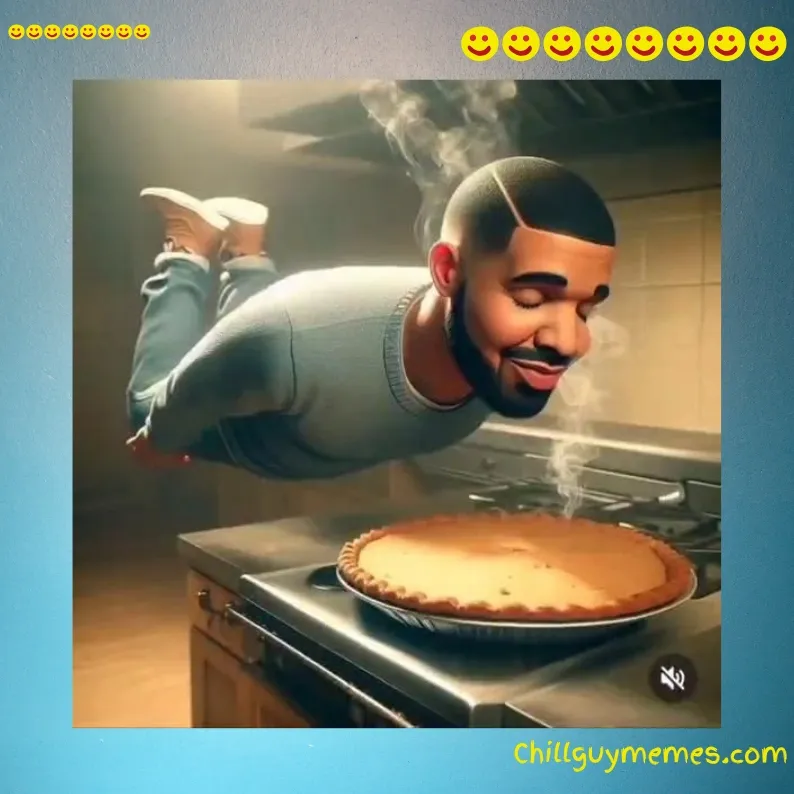
A strong meme can turn a tiny observation into an easy laugh. chillguymemes.com gives readers a place to explore humorous content built around simple expressions, reactions, situations, and online culture. Visual humor works because people can often understand the basic idea before reading every word. Still, the image alone does not guarantee that a meme will work well. The relationship between the picture, caption, timing, layout, and audience usually determines whether the joke feels natural or forced.
Build Around One Clear Thought
Start by deciding what the meme actually wants viewers to notice. The idea might involve an awkward situation, a common mistake, an exaggerated reaction, or something people quietly experience every day. Trying to include several jokes in one image can make everything harder to understand. One central thought gives the viewer something simple to follow. It also makes image selection easier because you already know what emotional response the picture should support. A good starting idea does not need to sound clever immediately. Sometimes the most useful material begins with an ordinary observation that only needs better wording.
Pick Visuals With Personality
The chosen image should have enough personality to communicate something without heavy explanation. Facial expressions can suggest confusion, excitement, disbelief, frustration, confidence, or complete exhaustion. Body language can provide another layer when the face is not visible. Even ordinary objects can become funny when they appear beside an unexpected caption. Image quality matters as well because poor resolution can distract from the joke. Cropping can remove unnecessary background details and make the important reaction easier to notice. A visually simple image often gives the caption more room to become the main source of humor.
Make Text Fit Naturally
Captions should feel connected to the image instead of looking like unrelated words placed over it. Short text is usually easier to process, especially when people are scrolling quickly through a feed. The wording can sound conversational, exaggerated, confused, or deliberately dramatic depending on the joke. There is no need to make every sentence grammatically perfect when casual language suits the situation. However, unclear wording can make viewers miss the intended point. Reading the caption once after finishing the design can expose awkward phrases, repeated words, or details that should simply be removed.
Use Timing For Extra Humor
Some jokes become more noticeable when they appear during a relevant moment. Seasonal situations, common work problems, school experiences, entertainment discussions, and current online conversations can all create useful timing opportunities. A meme connected with something people are already discussing may require less explanation because the audience already knows the reference. The downside is that some references disappear quickly after public attention moves elsewhere. For longer-lasting content, everyday situations are often more dependable. Mixing timely ideas with familiar experiences allows a meme collection to stay current without becoming completely dependent on temporary trends.
Keep The Layout Comfortable
Good meme design should make the joke easy to see rather than compete with it. Captions need enough spacing around the letters so they remain readable against the image. Important expressions should not be covered by oversized text or unnecessary decorations. Multiple fonts can make a design feel messy in the wrong way, especially when the image already contains several visual details. Simple alignment usually works better than placing every element in a different position. Before publishing, check the meme at the size people are likely to see on their phones because small screens can expose layout problems that are not obvious during editing.
Find Humor In Contrast
Contrast creates useful humor because the audience expects one response but receives something different. A calm expression can represent someone facing an extremely stressful situation, while a dramatic face can describe a tiny inconvenience. Confidence compared with failure can also create a familiar joke because viewers understand both sides quickly. Another approach involves showing what someone expected to happen beside what actually happened. These contrasts work particularly well when the difference is obvious from the image. The caption then only needs to highlight that difference instead of explaining the entire situation from beginning to end.
Give Ordinary Moments Space
Not every meme needs a dramatic event behind it. Waiting for someone to reply, forgetting an important detail, checking something repeatedly, or deciding to postpone a simple task can provide relatable material. People often share memes because they recognize their own habits inside them. Specific everyday details can make the joke feel more personal without requiring private information about anyone. A creator can also exaggerate the emotional reaction while keeping the original situation realistic. That combination gives ordinary moments enough humor without turning them into complicated stories that require extensive context.
Think About Shared References
Memes often depend on references that certain communities understand immediately. Gaming groups, office workers, students, sports fans, and different online communities can each develop their own familiar language and visual jokes. A reference can therefore be highly effective for the right audience while making little sense elsewhere. Knowing where the meme will be posted helps determine how specific the joke should become. Broad audiences usually benefit from situations that many people recognize, while focused communities can handle narrower references. The important part is making sure the intended viewers have enough context to understand the humor without additional explanation.
Leave Room For Interpretation
A meme does not always need to explain every possible meaning to the viewer. Sometimes a short caption combined with a strong expression gives people enough information to connect the joke with their own experiences. This flexibility can make the same image useful in several conversations without changing its basic meaning. Overexplaining can remove some of the humor because viewers no longer get the chance to make the final connection themselves. Leaving a little space for interpretation can therefore make a meme feel more natural. The creator still needs clarity, but clarity does not require explaining every detail.
Review Before Posting
A final review can improve a meme even when the joke already seems finished. Check whether the image remains clear, the words are readable, and the reaction matches the caption. Look for accidental spelling mistakes, awkward cropping, poor spacing, or text that disappears against the background. It can help to view the design without editing tools for a moment because that shows how the finished version actually feels. If the joke becomes weaker after removing unnecessary words, keep the shorter version. Good editing often means taking things away rather than continually adding more.
Conclusion
Visual humor becomes more effective when the image and words work together without unnecessary complication. chillguymemes.com can help readers explore different meme styles while they learn how reactions, captions, timing, layout, references, and everyday observations contribute to shareable content. A useful meme does not need an elaborate concept every time. Often, a familiar situation becomes enough when the visual captures the right emotion and the caption adds a small unexpected angle. Paying attention to readability and audience context can then make the final result easier to understand, remember, and share.
Read also :-