

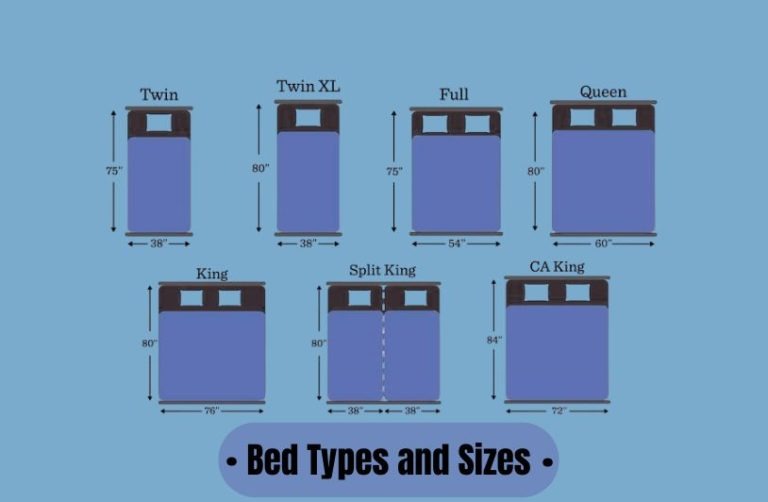
Dimensions give people a practical way to describe the size, shape, position, and space occupied by something. dimensionspath.com provides useful information for readers interested in dimensions, measurements, sizing, shapes, space, and related practical topics. The idea is much closer to everyday life than it may first seem because people measure things constantly while arranging rooms, purchasing products, planning construction work, designing objects, or checking whether something can fit inside a particular area. A measurement gives more useful information than a general description because words like big, small, tall, or narrow can be interpreted differently by different people. Dimensions create a common reference that makes communication easier. A table can be described as large, but saying it measures a particular length, width, and height gives a much clearer picture. The same principle applies to buildings, electronic devices, packages, vehicles, furniture, digital graphics, and manufactured components. Modern technology has made dimensional information even more important because physical and digital objects are now frequently designed together. A product can begin as a computer model, become a manufactured item, and eventually reach a customer who checks its dimensions before placing it inside a home.
Dimensions Begin With Measurement
Measurement is the basic activity behind almost every useful discussion about dimensions. Without measuring something, people are often forced to depend on visual guesses or rough comparisons that may not be reliable enough for practical work. A measuring tape, ruler, caliper, or digital measuring device can turn an uncertain estimate into specific information. The tool chosen usually depends on the size and accuracy required for the task. Measuring a notebook does not require the same equipment used for inspecting a precision machine component. This difference matters because every measuring tool has a particular level of usefulness and accuracy. Everyday measurements can often be taken quickly, while technical measurements may require controlled conditions and specialized equipment. The starting and ending points should also be clear because measuring from different locations can produce different results. Curved surfaces can create additional difficulty because straight-line dimensions may not describe the entire shape. It is also sensible to record measurements immediately rather than depending on memory later. When several dimensions are involved, labeling each number as length, width, height, or depth can prevent confusion. Simple measurement habits may seem unimportant at first, but they become extremely valuable whenever accurate fitting, planning, construction, or purchasing is involved.
Length And Width Work Together
Length and width are often the first two dimensions people consider when describing a flat object or available surface. A table, carpet, sheet of paper, wall, floor, or rectangular garden area can usually be described initially through these two measurements. Length commonly refers to one direction, while width refers to another direction across the object. The exact naming can vary depending on the shape and industry, so product specifications should always be read carefully. These dimensions are especially useful when determining whether an object can fit within a particular surface area. A desk might have an appropriate length for a room but still be too wide for the available corner. Similarly, a rug might fit one direction of a floor while extending too far in another direction. Comparing both dimensions together gives a much better understanding of fit than checking only one measurement. Length and width are also used when calculating the area of rectangular surfaces. This makes them important in construction, interior design, landscaping, printing, packaging, and many other fields. When measurements come from different sources, they should ideally be converted into the same unit before comparison. This small step can prevent surprisingly common mistakes.
Height Changes Physical Fit
Height introduces a vertical measurement that can completely change whether an object works in a particular location. A cabinet might have suitable length and width but still fail to fit underneath a shelf because its height is excessive. Similarly, appliances often need to remain below a certain ceiling or counter level during installation. Vehicles entering garages and warehouses also need sufficient vertical clearance. Height can affect more than simple fitting because it influences how people interact with an object. A kitchen counter, desk, chair, or shelf needs an appropriate height for practical use. A shelf positioned too high can become difficult to reach, while a work surface positioned too low can create discomfort during extended use. Building designers consider height when planning rooms, doors, windows, ceilings, and structural elements. The vertical dimension can also influence how spacious a room feels, although lighting, color, furniture, and layout contribute to that perception as well. When measuring height, it is important to consider whether the measurement begins at the floor, base, platform, or another reference point. Objects with wheels, stands, adjustable legs, or other attachments may have different heights depending on their configuration. Product specifications should therefore be checked carefully before making a final decision.
Depth Deserves More Attention
Depth is often forgotten when people look at products from the front, but it can be one of the most important dimensions for practical use. A wardrobe, refrigerator, television cabinet, desk, or bookshelf may have an acceptable width while extending too far into the available room. This can reduce walking space and interfere with doors, windows, or other furniture. Online product photographs are particularly poor at communicating depth because camera angles can make objects appear flatter than they really are. Checking the listed depth is therefore important before ordering large furniture or equipment. Installation requirements can make the situation slightly more complicated because an appliance may need extra space around its back or sides for ventilation and maintenance. Doors and drawers can also require additional clearance beyond the basic depth of the product itself. Designers consider these factors when creating practical objects because a product must work within the environment where it will be used. A deep cabinet may offer excellent storage but become inconvenient inside a narrow room. A shallow shelf may save space but provide less room for larger items. The right depth depends on the purpose, available area, and expected use of the object.
Two Dimensions Explain Surfaces
Two-dimensional measurements are commonly used to describe surfaces that mainly extend across length and width. A sheet of paper, floor, wall, poster, photograph, or rectangular piece of material can be considered through these two directions. Area is then used to describe how much surface the shape covers. For simple rectangular spaces, multiplying length by width provides the area when both measurements use compatible units. This calculation becomes useful in many household and professional tasks. Someone planning flooring needs to know the floor area before estimating how much material might be required. A person painting a wall may also consider surface area when estimating material quantities. Printing companies use paper dimensions to determine how designs fit onto sheets. Graphic designers use width and height when creating digital images for specific displays. The shape of the surface still matters because equal areas can have very different proportions. A narrow rectangle and a square could cover the same area while offering completely different practical possibilities. This is why area should usually be considered alongside length, width, and overall shape. Measuring the surface carefully before purchasing materials can help reduce waste and prevent shortages.
Three Dimensions Describe Objects
Most physical objects require three dimensions because they occupy space in several directions. Length, width, and height provide a basic description of many rectangular objects, while depth may be used instead of or alongside some of those terms depending on the context. A cardboard box provides an easy example because it has three measurable directions that determine its overall size. These measurements can also be used to calculate volume when the shape allows a straightforward calculation. Volume describes the amount of three-dimensional space an object contains or occupies. Storage containers are often compared according to volume because customers want to know how much they can hold. Shipping companies also pay attention to package dimensions because large boxes take up more room in vehicles and warehouses. Two packages can have similar weights but require very different amounts of transportation space. This is one reason dimensional information can influence logistics costs. In engineering, three-dimensional measurements become even more precise because components need to fit into larger systems. Digital modeling software can represent these dimensions before a physical product exists. This allows designers to inspect an object from different directions and identify potential dimensional problems early.
Units Keep Data Reliable
Measurements need units because numbers alone cannot communicate physical size accurately. A value of fifty could represent fifty millimeters, fifty centimeters, fifty meters, or fifty inches, and each option describes a very different distance. Metric units are widely used around the world and include millimeters, centimeters, meters, and kilometers. Other systems commonly use inches, feet, yards, and miles. Different industries may also have preferred units based on established standards and working practices. When information from multiple sources is combined, checking the units becomes especially important. A room measured in meters should not be directly compared with furniture dimensions listed in centimeters without conversion. Converting measurements into one consistent unit makes calculations easier to follow and reduces the risk of errors. Digital calculators can handle many conversions quickly, but users still need to understand what the original values represent. Writing the unit beside every measurement is a simple habit that makes information much clearer. Technical documents usually include units because engineers, designers, manufacturers, and builders may all rely on the same measurements. Good dimensional communication is not only about getting the number right. It is also about presenting that number in a way that other people can understand correctly.
Dimensions Influence Product Design
Product design depends on dimensions because an object must fit both its purpose and the environment where people will use it. A chair requires suitable dimensions for sitting, while a desk needs appropriate height and surface area for working. Electronic devices have to balance physical size with internal components, battery requirements, screen dimensions, cooling needs, and portability. Designers often use computer-aided design software to create detailed digital models before physical manufacturing begins. Changing a dimension digitally can be much easier than modifying a physical prototype after production has already started. Digital models can also help designers examine how components fit together and whether certain parts interfere with one another. Packaging requirements may influence the final dimensions as well because products need to be protected during storage and transportation. A product that is unnecessarily large may require more packaging material and transportation space. A product that is too small may not provide enough functionality for its intended purpose. Good product design therefore involves finding practical relationships between dimensions, materials, performance, comfort, and cost. The appearance of an object is only one part of successful design. Its measurements need to support how people will actually handle, install, store, and use the finished product.
Buildings Need Exact Dimensions
Buildings rely on dimensional accuracy because many separate systems have to work together within a limited physical space. Architectural plans contain measurements for walls, rooms, doors, windows, ceilings, staircases, corridors, and other components. Structural engineers use dimensions when designing foundations, beams, columns, and other load-bearing elements. Construction workers depend on these measurements while placing materials and assembling different sections of a building. A small error can become more noticeable when several components need to connect at exactly the same location. Door openings provide a simple example because the frame, door, wall, flooring, and surrounding finishes all depend on the opening being correctly sized. Modern software allows architects and engineers to create detailed digital building models before physical construction begins. These models can help identify conflicts between structural elements, electrical systems, plumbing, furniture, and other components. Dimensions also influence accessibility because doors, ramps, corridors, and other spaces need enough room for practical movement. Room dimensions can affect furniture placement, ventilation, lighting, and general usability. A building is therefore more than a collection of measurements. The dimensions need to work together in a way that supports safety, comfort, maintenance, and everyday use.
Manufacturing Depends On Precision
Manufacturing requires highly controlled dimensions because individual components often need to fit together within small tolerances. A machine part that is slightly too large may fail to fit into its intended position, while one that is too small may create unwanted movement or weakness. Engineers specify dimensions along with tolerances that define acceptable variation. Manufacturing equipment then attempts to produce parts within those specified limits. Inspection teams use measurement tools to check finished components and identify parts that fall outside acceptable ranges. Common precision tools include calipers and micrometers, while advanced manufacturing environments may use computerized measuring systems. Computer-aided design models can also provide detailed dimensional information before production starts. This allows engineers to identify possible problems before materials are cut or machines begin producing large quantities of components. Dimensional accuracy becomes particularly important when parts are manufactured repeatedly because consistency is necessary for interchangeable components. A small dimensional difference that seems insignificant on one object can become a major problem when thousands of parts are involved. Manufacturing therefore shows why dimensions are not merely descriptive information. They can directly determine whether a product performs correctly, connects properly, and meets the required technical standard.
Digital Images Have Dimensions
Digital images have dimensions too, although their measurements are usually expressed through pixels rather than centimeters or meters. A digital photograph can have a specific width and height measured in pixels, which influences its resolution and display characteristics. Different websites, applications, advertising platforms, and social media services may require different image dimensions. Designers need to prepare images according to the space where they will appear. An image designed for a wide banner may need to be cropped or redesigned before being used in a square format. Simply stretching the image can distort faces, objects, text, and other visual elements. Maintaining the correct aspect ratio helps preserve the original proportions. Digital dimensions also affect file sizes because larger images generally contain more pixel information, although compression and file format also influence the final size. Video works through similar principles because each frame contains a particular pixel arrangement. High-resolution content can provide more visual detail, but it may also require more storage and processing capability. Understanding digital dimensions helps creators choose suitable formats instead of relying on trial and error. This is especially useful when the same content needs to work across several devices with different screen sizes.
Dimensions Matter In Packaging
Packaging provides another clear example of dimensions affecting practical decisions. A product needs enough room inside its package for protection, but excessive empty space can increase material use and transportation requirements. Companies therefore consider product dimensions when choosing boxes, protective materials, and shipping arrangements. A fragile item may require additional clearance around its edges so that cushioning can absorb movement during transportation. Package dimensions also influence how efficiently products can be stacked inside warehouses or vehicles. A lightweight but bulky package can occupy considerable space compared with a heavier item of similar dimensions. Some shipping systems use dimensional weight calculations to account for the space a package occupies. Customers can also benefit from checking package measurements because large boxes may be difficult to move through doors or store temporarily. Product dimensions and package dimensions should not be confused because they describe different things. A television may have a relatively compact physical size while its shipping carton is significantly larger because of protective packaging. Online product listings sometimes provide both sets of measurements, and checking them can prevent surprises during delivery. Efficient packaging depends heavily on understanding the relationship between product size, protection, available space, and transportation requirements.
Dimensions Help Plan Rooms
Room planning becomes much easier when measurements are taken before furniture is purchased or rearranged. A floor plan can show the relationship between walls, doors, windows, furniture, and movement areas. Measuring only the length and width of a room may not be enough because fixed objects can reduce the usable space. Radiators, pillars, cabinets, electrical outlets, doors, and windows can all affect where furniture can be placed. A dining table needs sufficient room for chairs and people to move around them comfortably. A bed needs clearance for access, while a wardrobe may require additional space for doors or drawers to open. These small details can make a significant difference in how practical a room feels. Digital room-planning applications allow users to test approximate furniture arrangements before moving heavy objects. Even a simple drawing on paper can be useful if the measurements are reasonably accurate. Space planning is not simply about filling every available area. Leaving enough empty space can make movement easier and prevent the room from feeling overcrowded. Dimensions help reveal how much usable space actually remains after fixed elements and furniture are considered.
Proportions Create Balance
Proportion describes how different dimensions relate to one another, and this relationship affects both appearance and function. A tall narrow cabinet has a different visual character from a short wide cabinet even if their total volumes happen to be similar. Furniture designers consider proportions because comfort depends on relationships between height, width, and depth. Graphic designers use proportional relationships when placing text, images, and other elements within a layout. Aspect ratio is a familiar example because it describes the relationship between width and height. Changing one dimension without adjusting another can make an image look stretched or compressed. Architects consider proportions when designing windows, doors, rooms, and building facades. Engineers may also study proportions when considering stability, weight distribution, or mechanical performance. Proportion does not always require advanced mathematical calculations because simple comparisons can reveal useful information. Looking at dimensions together often gives a better understanding of an object than examining each measurement separately. Two products may have almost identical areas but feel completely different because one is long and narrow while the other is compact and broad. Proportions therefore help explain why measurements need to be considered as connected values rather than isolated numbers.
Dimensions Support Online Buying
Product measurements have become increasingly important as online shopping has grown because customers usually cannot inspect products physically before making a purchase. A photograph provides information about appearance but can easily create a false impression about actual scale. A chair shown beside a large room can look smaller than it really is, while a small accessory photographed closely can appear much larger. Checking the product’s listed dimensions provides a more dependable reference. Customers should measure the intended space first and then compare that space with the product’s width, height, and depth. Entry routes should also be considered for large products because an item needs to reach its final location before it can be used there. Doors, stairways, elevators, and hallways can create unexpected restrictions. Package dimensions may be larger than the product itself because protective materials require additional room. Electronic products can also have separate measurements for the main device, stand, and packaging. Clothing uses body measurements rather than simple object dimensions, and sizing systems can differ between manufacturers. Reading the specific measurement chart is therefore usually safer than assuming that a particular size label will always fit the same way. Dimensional information cannot answer every question, but it can significantly reduce uncertainty before an online purchase.
Conclusion
Dimensions provide a practical method for understanding the physical and digital world because they turn vague ideas about size and space into measurable information. Length, width, height, and depth describe basic physical characteristics, while area and volume provide additional ways to understand surfaces and three-dimensional space. These concepts are useful when buying furniture, planning rooms, measuring materials, arranging storage, selecting products, or preparing packages for transportation. They also become much more precise in professional fields such as architecture, engineering, manufacturing, product design, and construction. Technology has expanded the role of dimensions through digital images, computer-aided design, virtual environments, three-dimensional models, and 3D printing. Clear units remain essential because a numerical value has little meaning when its measurement system is unknown. Manufacturing demonstrates how small dimensional differences can affect whether components fit and function correctly. Packaging shows how size can influence storage, transportation, material use, and delivery costs. Online shopping makes measurements valuable because customers need reliable ways to judge physical scale without seeing products in person. Proportion adds another useful idea by showing how different dimensions work together to influence appearance, comfort, and performance. The simplest practical habit is still the most useful one: measure the available space, record the correct units, compare dimensions carefully, and consider how the object will actually be used. Better measurements can prevent unnecessary purchases, reduce material waste, simplify planning, and improve final results. For more useful information about dimensions, measurements, shapes, spatial concepts, sizing, and practical applications, explore dimensionspath.com and continue learning through clear, useful dimensional content.
Read also :-